
Decaffeination plant for coffee
Decaffeination was one of the first industrial applications of supercritical CO₂ – and it is still one of the most convincing. Natex designed and built an industrial decaffeination plant with three 20 m³ extractors that has been processing Arabica and Robusta coffee for Lavazza in Italy since 1991. Originally designed for 10,000 tons of green coffee per year, the plant today processes up to 14,000 tons. With the trend away from chemical solvents such as dichloromethane or ethyl acetate, CO₂ decaffeination is more relevant than ever.
How CO₂ decaffeination works
The green coffee beans are moistened with water and loaded into the extractor. Supercritical CO₂ flows through the bean bed and dissolves the caffeine selectively – the flavour and aroma compounds stay in the bean. The caffeine-loaded CO₂ passes through a washing column where the caffeine is recovered continuously, and the CO₂ returns to the extractor.
The decisive detail is the isobaric design: the CO₂ is neither evaporated nor condensed during normal extraction. It stays in the supercritical state throughout the cycle, which makes the process remarkably energy-efficient at this scale. A batch takes between 8 and 14 hours, depending on the type and origin of the coffee. The caffeine is recovered continuously at a purity of above 90 % – a valuable product for energy drinks and pharmaceutical applications in its own right, and proof that nothing but caffeine is taken from the bean.
Energy and CO₂ consumption in real operation
Energy efficiency is easy to claim and hard to prove – so here are the actual consumption figures of the plant. Per ton of coffee, it requires around 1,100 kWh of heating energy, around 900 kWh of electrical energy and roughly 200 kg of CO₂. The remaining CO₂ stays in the closed loop: up to 99 % is recycled within the plant.
Why supercritical CO₂ instead of chemical solvents
- Preservation of flavour. The original flavour and aroma compounds remain in the bean. Decaf that tastes like the coffee it came from.
- No chemical residue. Unlike dichloromethane or ethyl acetate processes, CO₂ leaves nothing behind. The coffee stays clean and natural.
- Effective caffeine removal. 92 to 97 % of the caffeine is removed without damaging the bean and without stripping other substances.
- High-quality caffeine as by-product. Recovered at above 90 % purity and directly usable – an additional revenue stream, not a waste.
- Organic certification retained. Coffee decaffeinated with supercritical CO₂ keeps its original organic certification.
- Environmental friendliness. CO₂ is a naturally occurring substance and is recycled at up to 99 % within the plant.
Automation and material handling
The plant was equipped with a continuous recovery system for the caffeine, allowing a high degree of automation from raw bean to decaffeinated product. Material handling between the process steps is done by pneumatic transport. More than three decades after its commissioning in 1991, the plant still represents a milestone for the entire CO₂ extraction industry – and for Natex it is a textbook example of ingenuity, automation and endurance.
Scale matters
Economies of scale play a decisive role in coffee decaffeination: large plants bring the total cost per ton down to very attractive levels. Ideally, a decaffeination project is realized at a scale above 5,000 tons of annual capacity. Our pilot equipment makes it possible to verify quality and economics before committing to that scale.
Decaffeination of tea
A similar principle works for fermented or green tea. Natex has supplied a CO₂ decaffeination plant for tea in Germany – a different raw material, a different plant layout, the same solvent-free result.
Planning a decaffeination plant?
Whether you are looking at a few hundred or several thousand tons per year: we run scale-up tests on our own equipment, verify the economics together with you and design the plant to match your capacity, building and automation requirements. Start with a pilot test or get in touch directly.
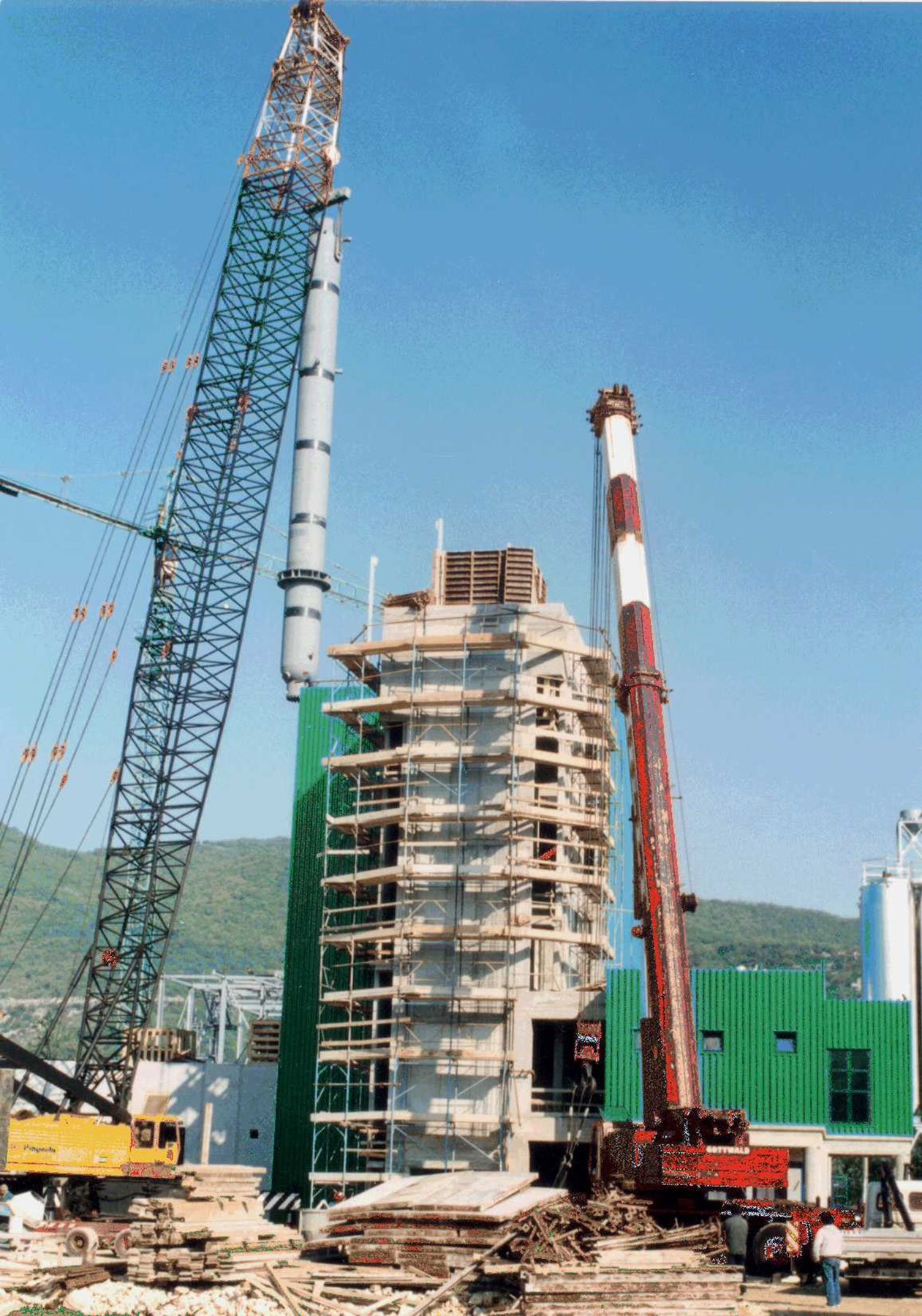
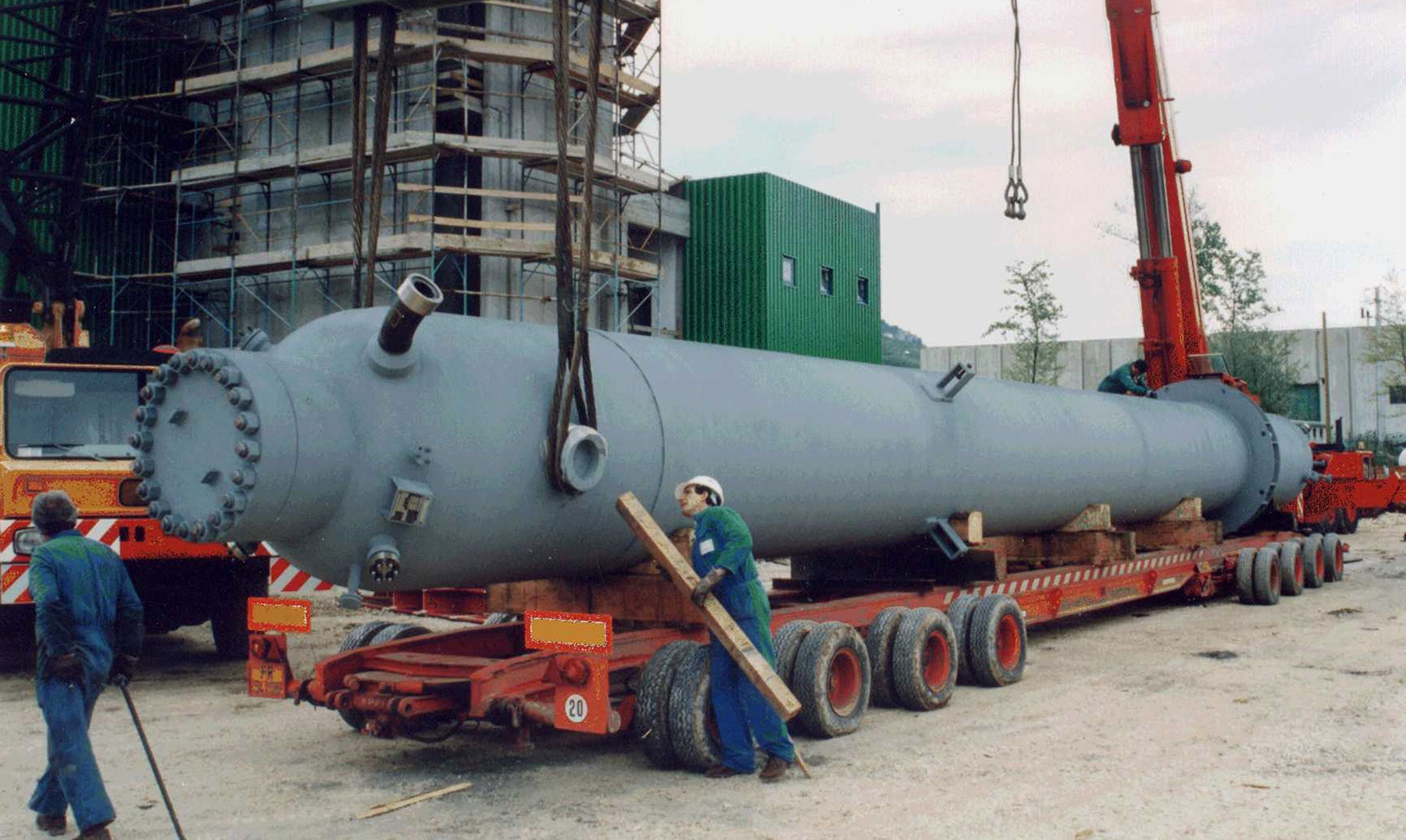

Name of client: Luigi Lavazza Spa.
Equipment size: 3x20m³
Country of installation: Italy
Product processed: decaffeination of coffee