

Project story · CO₂ hop extraction
In September 2020, Europe was at a standstill. Borders were closed, business travel was close to impossible and many construction sites had gone quiet. At the same time, in St. Johann, right in the heart of Bavaria’s Hallertau hop-growing region, a plant started up that had no equal anywhere: the world’s largest CO₂ hops extraction plant. Engineered and built by Natex, based in Ternitz, Austria. And right on schedule.
Here is a look behind the scenes at how that worked out despite the pandemic, and which technical problems had to be solved along the way.
The brief: hop extract for breweries around the world
The client was Hopfenveredlung St. Johann GmbH, a joint venture of hop merchant BarthHaas and the hop processing cooperative HVG. According to the operator, around a quarter of the world’s hop harvest is processed at the site. The new Natex CO₂ plant handles approximately 10,000 tons of raw hops per year.
The end product doesn’t look like much: a deep-green extract with the viscosity of honey. It contains the alpha acids, the very compounds that give beer its bitterness. Brewers value the extract because it can be dosed precisely in the brewhouse, speeds up the brewing process and takes up less storage space than pelletized hops.
Two years of groundwork before the first bolt went in
A plant of this size doesn’t come out of a catalogue. Before the final order was placed, the project already had around two years of engineering groundwork behind it. From there, it took almost exactly two more years to commissioning.
At its heart are eight high-pressure extractors of 4,500 litres each, designed for an operating pressure of 550 bar. For comparison: a car tyre runs at around 2.5 bar. The extractors operate at more than 200 times that.
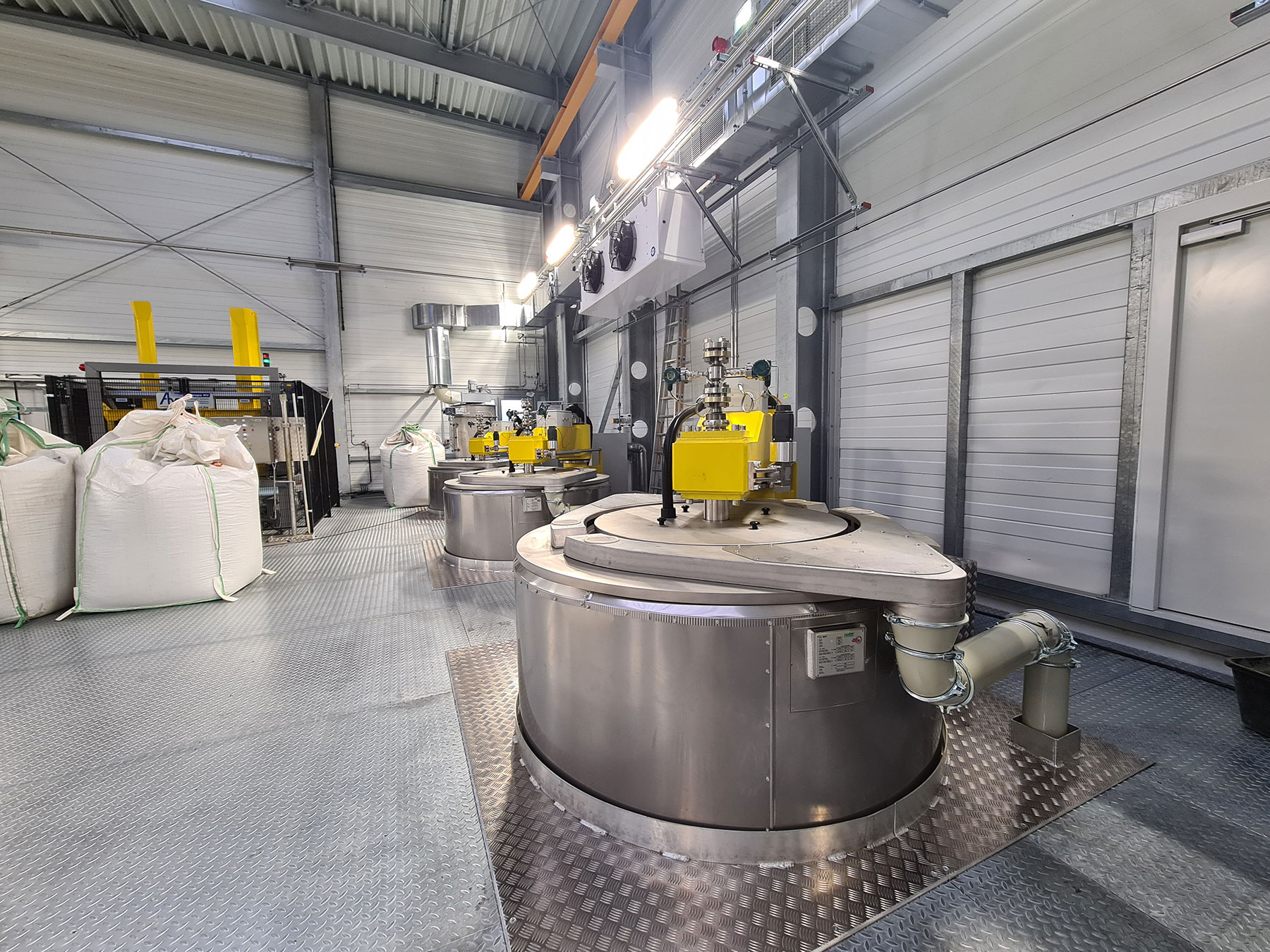
Hops are a demanding raw material
Depending on the variety, hops contain high levels of essential oils. Great for the aroma of the beer, a real challenge for the equipment. Proven plant components that run smoothly with other raw materials therefore had to be specifically adapted.
The way there was systematic testing: Natex analysed, and at times learned the hard way, how the hops behave under different process conditions and translated the findings into individual engineering solutions. That’s how we work on every project: each plant starts with trials in our own pilot facility, whether for hops, coffee or an entirely new raw material.
Mid-build: the pandemic
The second big challenge had nothing to do with process engineering. The COVID-19 pandemic hit right in the middle of the realization phase. Travel between Austria and Germany was suddenly heavily restricted, and you cannot commission a plant of this size over a video call.
With special permits and a well-coordinated team that kept things moving between Ternitz and St. Johann even under these conditions, the first sections of the plant went into operation on schedule in September 2020.
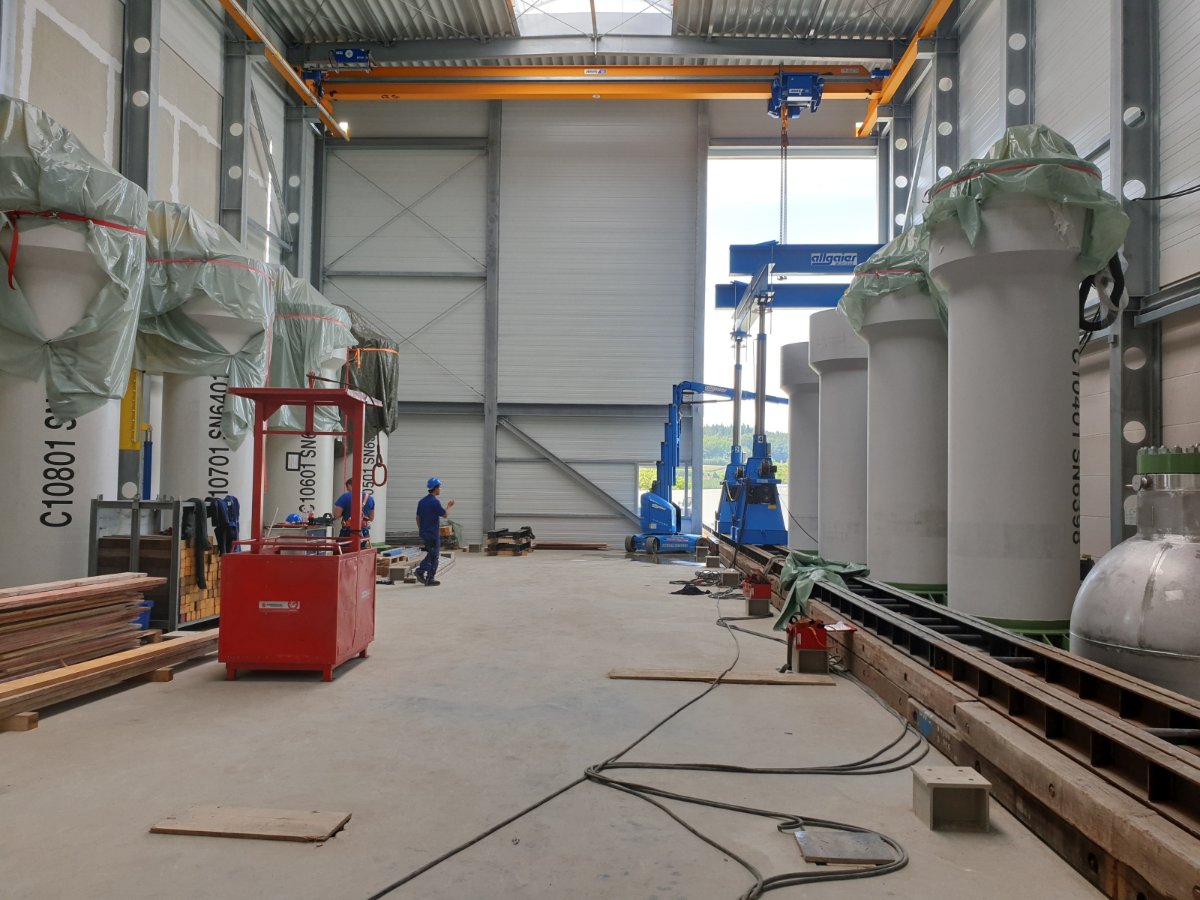
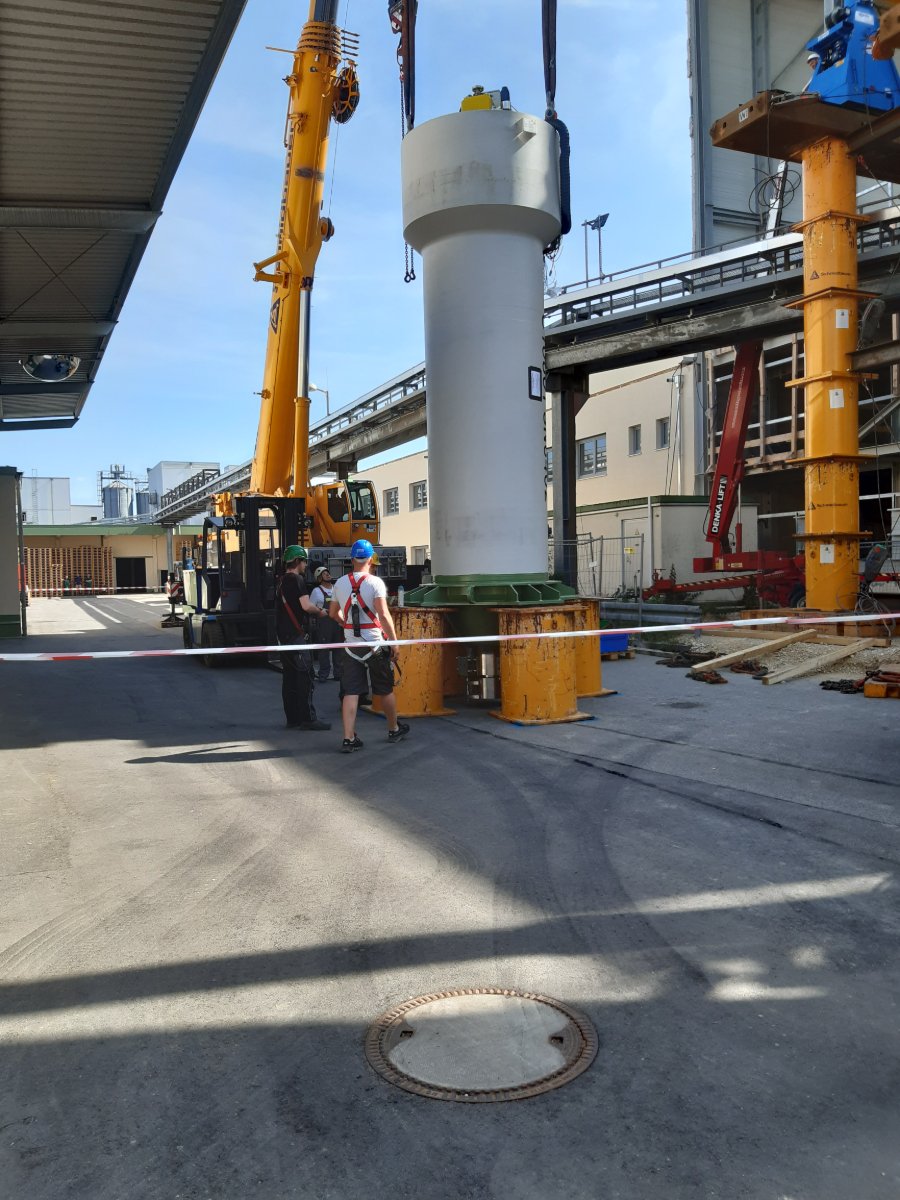
The celebration came later: the official opening of the site had to be postponed because of the pandemic and took place in October 2022, attended, according to the operator, by the Minister President of Bavaria.
The project in four stages
- Phase 1approx. 2 yearsEngineering groundwork
Trials with the raw material and plant design, before the final order was placed.
- Phase 2almost 2 yearsManufacturing and installation
From the order to commissioning, from 2020 onwards under pandemic conditions.
- MilestoneSeptember 2020Commissioning
The first sections of the plant go into operation on schedule.
- MilestoneOctober 2022Grand opening
Postponed because of the pandemic, then officially celebrated.
Energy efficiency by design
Sustainability wasn’t an afterthought on this project. It was part of the design brief from day one. Three things make the difference:
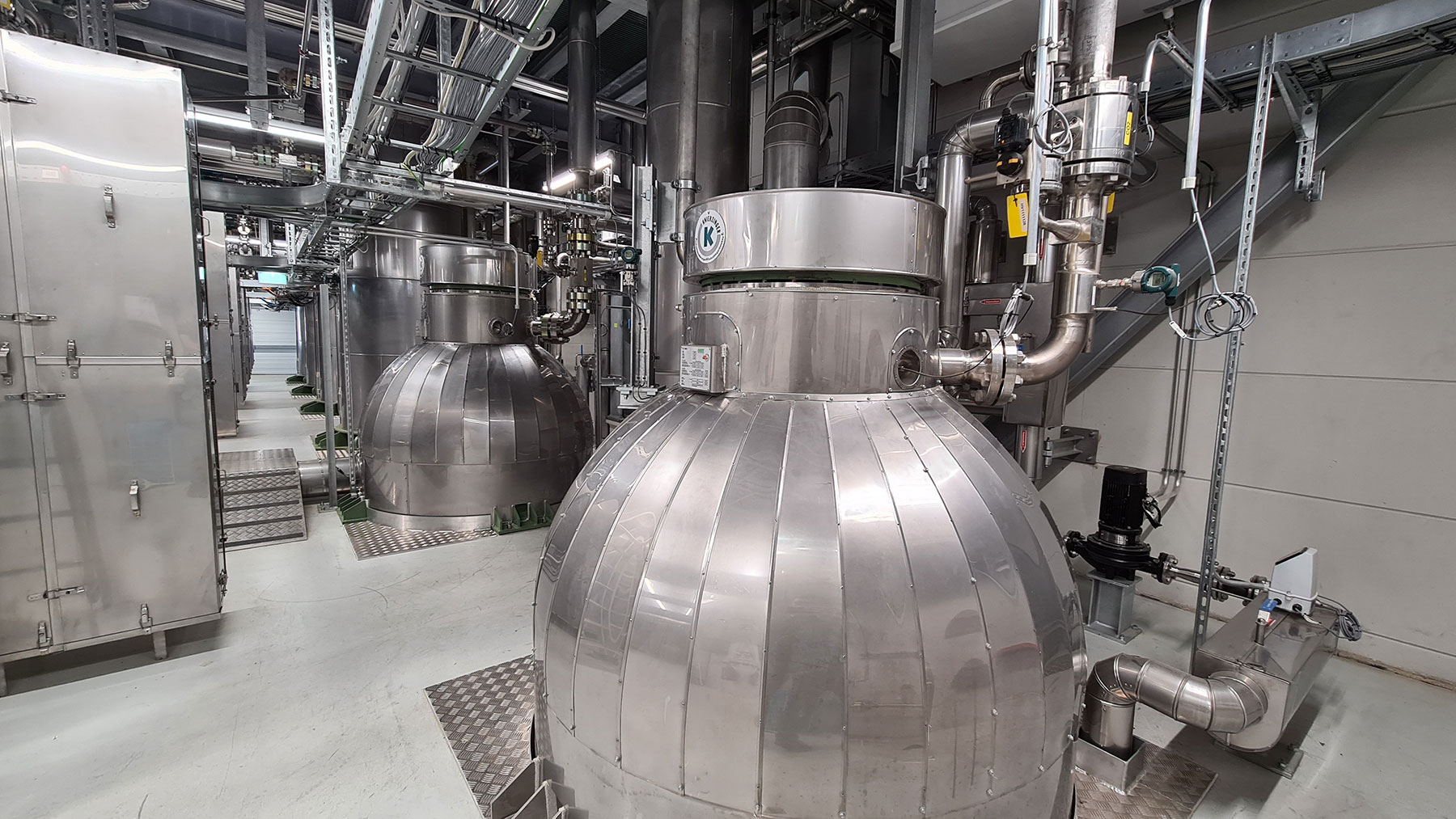
In a plant that processes thousands of tons around the clock, details like these add up to a noticeable cost factor over the years.
Built for the next 40 years
The St. Johann plant is designed for decades of operation. A look at Italy shows that this isn’t an empty promise at Natex: the decaffeination plant for Lavazza has been running since 1991 and today processes more coffee than it was originally designed for.
For all technical data and photos of the hops plant, see the full project page on the world’s largest hops extraction plant.